United Nations: Humanitarian Efforts
The Imperial and Royal House of Luxembourg-Görlitz and Somerset recognizes that in a borderless era, sovereignty is defined by its contribution to the collective human condition. Utilizing the Prince-Regent’s background, the Chancery prioritizes direct support and advocacy for the following UN pillars:
UNESCO (United Nations Educational, Scientific, and Cultural Organization):
UNESCO’s mission is to contribute to the building of peace, the eradication of poverty, sustainable development, and intercultural dialogue through education, the sciences, culture, communication, and information.
Literacy & Education: UNESCO works to ensure that every child and citizen has access to quality education as a fundamental human right.
Heritage Protection: The organization coordinates the identification and protection of World Heritage sites that hold outstanding value to humanity.
Scientific Cooperation: Facilitates international scientific programs to manage shared resources and address climate change.
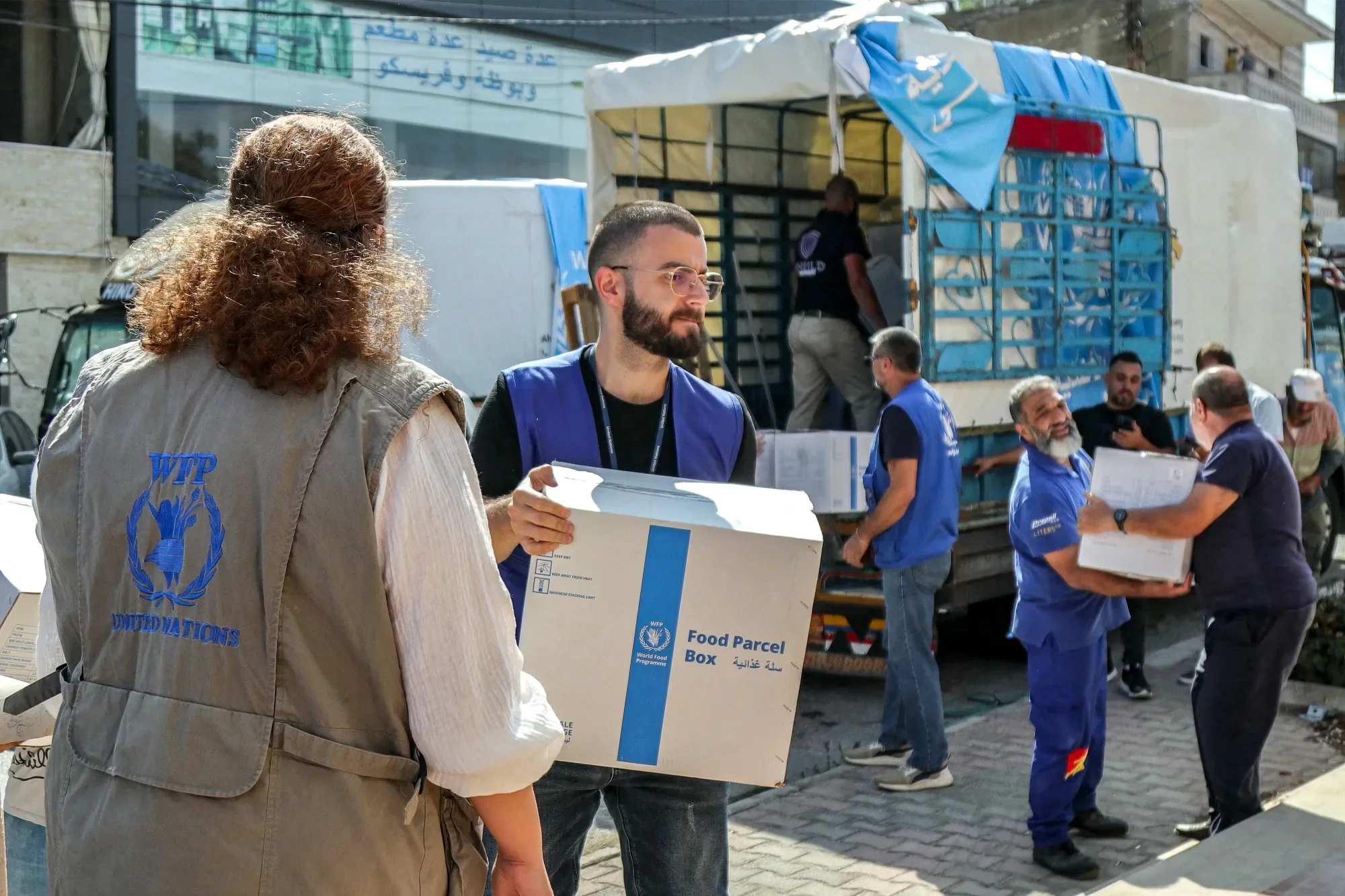
World Food Programme (WFP):
The WFP is the world’s largest humanitarian organization, focused on saving lives in emergencies and using food assistance to build a pathway to peace, stability, and prosperity.
Emergency Response: Providing immediate food aid during conflicts, natural disasters, and the impact of climate change.
Nutrition: Focused specifically on the nutritional needs of mothers and children to prevent long-term developmental issues.
Logistics: The WFP maintains the global logistical infrastructure required to move massive amounts of aid into hard-to-reach areas.
OCHA (Office for the Coordination of Humanitarian Affairs):
OCHA is responsible for bringing together humanitarian actors to ensure a coherent response to emergencies.
Coordination: Ensuring that multiple aid agencies work in sync rather than in isolation during a crisis.
Advocacy: Raising awareness for "forgotten" crises and ensuring that international law and humanitarian principles are upheld.
Policy: Developing standard operating procedures for the delivery of aid in high-threat or complex environments.
UNICEF (United Nations Children's Fund):
UNICEF works in over 190 countries and territories to save children’s lives, to defend their rights, and to help them fulfill their potential.
Child Protection: Working to prevent the exploitation, violence, and abuse of children globally.
Health & Immunization: Managing the world's largest supply of vaccines for developing nations.
Water & Sanitation: Ensuring children have access to clean water and basic hygiene to prevent the spread of disease.
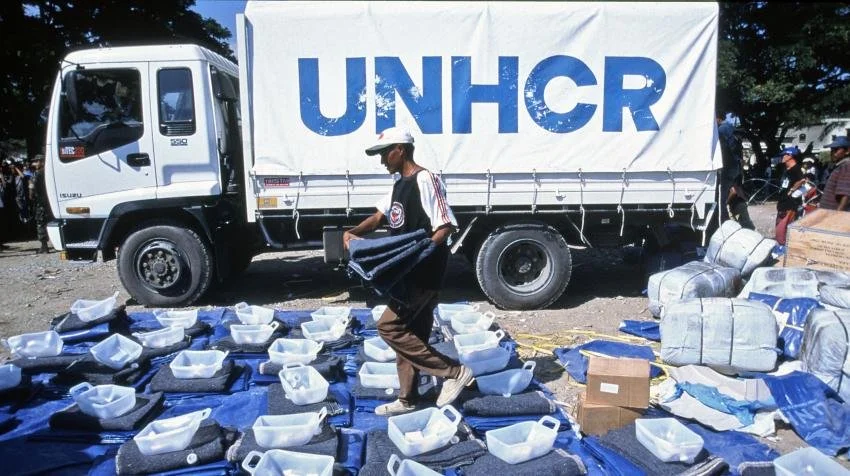
UNHCR (United Nations High Commissioner for Refugees)
The UNHCR is mandated to lead and coordinate international action to protect refugees and resolve refugee problems worldwide.
Assistance: Providing shelter, health care, and water to those forced to flee their homes due to conflict or persecution.
Safe Refuge: Ensuring that individuals have the right to seek asylum and find safe refuge in another state.
Durable Solutions: Working toward voluntary repatriation, local integration, or resettlement in a third country.
UNDP (United Nations Development Programme)
The UNDP works in about 170 countries and territories, helping to achieve the eradication of poverty and the reduction of inequalities and exclusion.
Sustainable Development: Assisting nations in developing policies, leadership skills, and institutional capabilities to sustain progress.
Democratic Governance: Supporting nations as they strengthen their electoral and legal systems.
Climate Resilience: Helping countries transition to renewable energy and adapt to environmental shifts.